Everyone talks about AI, automation, and cloud. But what actually matters for SaaS leaders in 2026? What will drive adoption, revenue, and retention?
Table of contents
The SaaS landscape is entering its most transformative phase since the rise of cloud computing.
AI-native architecture, modular apps, real-time monetization, and new compliance demands are rewriting how SaaS is built, bought, and scaled.
AI-Native SaaS Becomes The Default
In 2026, SaaS products are moving from “AI-powered” add-ons to AI-native architectures.
A Salesforce CIO survey shows AI adoption in enterprises has jumped over 280%, with “agentic” AI (multi-agent systems that act, not just chat) called out as a core 2026 priority.
At the same time, an AlixPartners study finds 100+ mid-market software companies are being “squeezed” between AI-native startups and giants bundling AI into platforms.
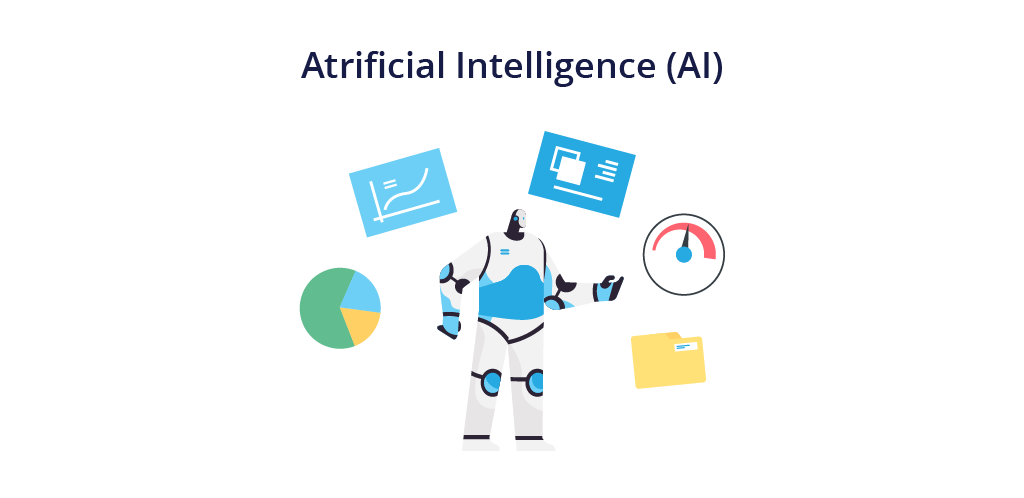
AI is no longer a feature; it sits at the core of product design, onboarding, and daily workflows.
We’ve seen what an impact AI in Telecommunications and AI in EV Charging has.
Instead of navigating complex menus, users increasingly describe outcomes in natural language, and the system configures itself around those goals.
Typical capabilities:
- AI agents for configuration, workflows, and optimization.
- Interfaces that adapt to user role, intent, and historical behavior.
- Continuous learning from usage, churn, and revenue data.
Vendors that win are those that translate AI into tangible business outcomes, not just marketing claims.
Vertical SaaS 2.0
Horizontal SaaS markets are crowded, growth is shifting to deeply specialized vertical solutions.
Research on industry-specific SaaS projects the vertical SaaS market at $157.4B by 2025, with a 23.9% CAGR – roughly double the pace of many horizontal segments.
“Vertical SaaS 2.0” goes beyond industry labels and generic templates. It embeds real domain expertise into the product.
This includes regulatory alignment, industry data models, and workflows tuned to how specific sectors actually operate.
Key characteristics:
- Native support for industry standards and compliance frameworks.
- Domain-specific AI models trained on sector data.
- Pre-built reports and workflows aligned with regulators and auditors.
Vertical vendors differentiate not by more features, but by reducing time-to-value and implementation risk.
Dynamic Pricing
Traditional per-seat pricing is losing ground to more flexible and transparent models.
The 2025 Monetization Monitor reports that 59% of software companies expect usage-based models to grow as a share of revenue in 2025, an 18-point jump vs 2023.
IDC data in the same study suggests usage-based is now preferred by SaaS buyers:
pre-paid + post-paid usage variants combine for 42% of buyer preference, vs 38% for classic subscriptions.
Software & Saas: Unlocking Its Full Potential


In 2026, pricing is increasingly treated as a strategic product capability rather than a static finance decision.
Teams are combining fixed fees with usage and value-linked components to align better with customer outcomes and cost structures.
Automating billing systems is still a priority for most companies and dynamic pricing in SaaS billing is more popular than ever.
Common patterns:
- Usage-based pricing tied to transactions, API calls, or volume.
- Hybrid plans combining base platform fees with metered add-ons.
- Value-linked pricing aligned with revenue processed or assets managed.
Customers expect real-time visibility into consumption and cost, plus tools to simulate scenarios as they scale.
Composable SaaS
SaaS is shifting from isolated applications to composable systems built on shared data foundations.
McKinsey points out that composable tech stacks let teams launch new features (like an AI agent) faster on top of existing systems as long as there’s an orchestration layer that unifies multiple back ends for every front end (web, mobile, AI agent, etc.).
CMSWire reports more enterprises adopting CDP + warehouse-native hybrids, where CDPs handle identity and activation, while the warehouse handles analytics and AI.
Organizations want best-of-breed tools that still operate on a single, trusted source of truth.
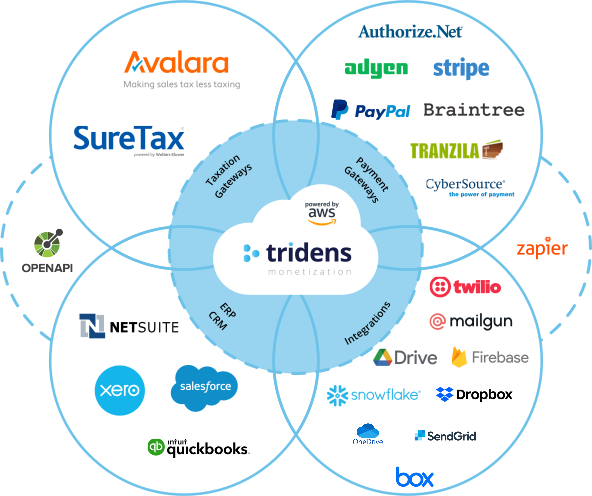
This is driving adoption of warehouse-native applications, event-driven integrations, and products designed to plug into a central data stack.
Defining elements:
- Open APIs and event streams as first-class product features.
- Deep native integrations with CRM, billing, analytics, and support systems.
- Direct read/write integration with the company’s central data warehouse/lakehouse (no extra silos).
Vendors that integrate cleanly into a modern data architecture are easier to adopt, expand, and justify in enterprise environments.
Security & Compliance In SaaS
Security and compliance have moved from checkbox topics to primary buying criteria.
A 2025 analysis notes that 75%+ of Fortune 500 companies ask for a SOC 2 report before they even engage a vendor.
SaaS audit checklists for 2025 explicitly call out SOC 2, ISO 27001, and GDPR as default requirements when evaluating SaaS security posture.
As SaaS becomes more data-intensive and AI-heavy, customers expect rigorous controls, clear accountability, and proven certifications.
On top of that, the compliance stack itself is getting heavier:
- ISO 27001, NIS 2, SOC 2 for information security.
- New AI-governance standard ISO 42001 for responsible AI management.
- DORA, PCI DSS, ISO 22301, ISO 27701 for resilience, payments, and privacy.

Modern platforms are designed with security and privacy as core principles, not afterthoughts.
You increasingly see:
- Role-based access control, SSO, and detailed audit trails as standards.
- Region-aware data residency and tenant isolation where required.
- Transparent security documentation and regularly updated certifications.
Trust is now a feature: vendors that can demonstrate resilience, governance, and compliance gain a significant competitive edge.
Self-Driving SaaS
The operational side of SaaS is becoming more autonomous.
Instead of teams constantly tuning configurations, monitoring dashboards, and reacting to incidents, AI systems increasingly anticipate and act proactively.
Salesforce predicts a shift from “task-taking assistants” to outcome-owning agents that operate proactively inside the business, driven by events and goals rather than step-by-step instructions.
ServiceNow is using multimodal models and agentic workflows to automate infrastructure changes, approvals, and tickets across IT and HR.

Check out Tridens’ AI Agents to learn more about how AI agents reduce manual tasks.
The goal is not full automation, but human oversight over smart, self-managing systems.
Typical capabilities:
- Self-healing infrastructure that retries, reroutes, and scales automatically.
- Proactive alerts with recommended actions and projected impact.
- Admin copilots that generate rules, policies, and workflows from prompts.
This reduces operational overhead, shortens response times, and allows product and operations teams to focus on higher-value work instead of routine firefighting.
Choosing a Modern SaaS Monetization Partner
Choosing a billing system isn’t just a software decision — it’s a partnership decision.
The right provider can make your billing effortless – the wrong one can trap you in complexity for years.
Ask yourself these questions:
- Can I add new products or rate plans in minutes?
- Does the platform support usage-based, hybrid, and subscription models?
- Can non-technical users configure billing logic easily?
- Will I be able to integrate easily with other services?
- Do they provide analytics and insights dashboards?
Modern billing systems are no longer optional — they’re the foundation of scalable, data-driven business models.
Tridens Monetization provides a cloud billing platform solution for subscriptions, consumption billing, or any hybrid business model with complex pricing and billing.
Learn more about Tridens’ billing software here, or schedule a free demo!
Ready to get started?
Learn how your business can thrive with Tridens Monetization for Software & SaaS.
Schedule a Demo