



배경
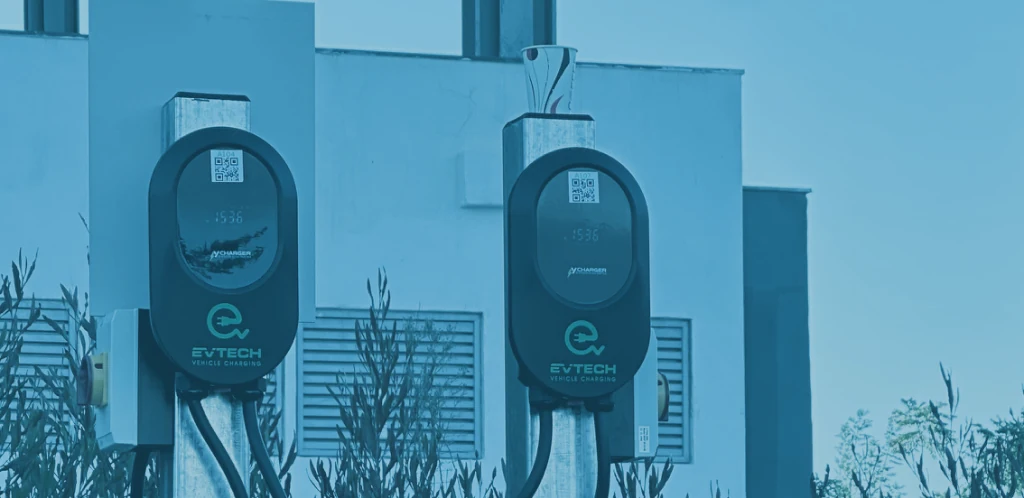
EVTech operates a growing network of EV charging stations in the Middle East and plans to expand its charging capabilities. It serves commercial clients, fleet operators and residential customers.
The market is price-sensitive, and electricity tariffs in the region vary by time of use and season. EVTech wanted to stabilize revenue, reduce charger downtime and keep more of its customers.
도전 과제
EVTech’s pricing, billing and operations held back growth:
- Rigid pricing: the pricing model did not match the region’s complex tariff structure, which disrupted revenue stability.
- Revenue leakage: high non-payment rates and limited digital payment adoption made postpaid billing hard and reduced trust.
- Manual billing: billing and payment reminders took up staff resources.
- Grid overloads: busy urban sites saw frequent charger downtime, and manual monitoring kept operational costs high.
- Slow customer acquisition: limited monetization options slowed growth, and in a competitive market infrastructure alone did not attract drivers.

솔루션
EVTech uses Tridens EV Charge, an OCPP hardware-agnostic platform, to monetize multiple revenue streams. It replaced rigid pricing with real-time tariffs aligned with the region’s electricity structure, and added load balancing and app features for drivers.
동적 가격 및 관세 구현하기
Prices adjust in real time by time of day, local holidays and season, in line with regional grid demand. Customers pay upfront in the app or web portal, and billing is automated. Apartment complexes recover electricity costs with differential pricing, public sites attract new users with promotional pricing, and fleet operators receive automated, VAT-compliant invoices.
부하 분산으로 충전기 사용량 최적화
Dynamic load balancing distributes power across charging stations in real time and uses analytics to manage grid capacity. Multiple chargers can share a single line without costly upgrades. One business complex installed twelve chargers on one line, residential buildings expanded charger capacity, and fleet depots prioritize essential vehicles.
부스트 기능으로 고객 유치
Drivers reserve chargers in advance, which cuts wait times and improves utilization. Real-time battery notifications prompt them to free up bays, and stored cards and digital wallets simplify payment. EVTech also launched “First Boost Free” vouchers and “Fleet Advantage” discounts, and integrated its network with third-party charging maps to reach more drivers.
혜택
- −80% revenue volatility: dynamic pricing stabilized revenue within six months.
- −30% charger downtime: dynamic load balancing cut downtime and lowered operational costs by 20%.
- +40% charging infrastructure: added without electrical upgrades, by running multiple chargers on one line.
결과
Dynamic pricing reduced revenue volatility by 80% within six months. Automation cut administrative costs by 25%, customer retention improved by 20%, and residential customers saved up to 80% by charging off-peak. Load balancing reduced charger downtime by 30% and operational costs by 20%, and EVTech grew its charging infrastructure by 40% without electrical upgrades. Boost features increased customer acquisition by 25% and repeat usage by 25%. Together, these changes contributed to 70% business growth.