Wondering what are the best programming languages for enterprises in 2024? We’ve created a list of the top 10 (+2) enterprise programming languages that are widely used by businesses in 2023 and will continue to be in demand in 2024. Read on!
Table of contents
First, the programming language depends on the project you’re working on.
In general, programming languages are divided into:
- Frontend programming languages (visual representation – client-side)
- Backend programming languages (behind the scenes – server-side)
So, it depends a lot on your business profile, strategy, and needs.
If you want to modify your website, JavaScript is the one. For software development, Java is your go-to. For game creation, C++ is ideal, and for general programming, Python is a great choice due to its versatility.
Programming Languages Overview
The table below provides a quick view of the programming languages most enterprises use, including creator, creation dates, typical use cases, and adoption by big companies.
| Language | Creator | Creation Date | Purpose (Best For) | Users (Companies) |
|---|---|---|---|---|
| Java | James Gosling (Sun Microsystems) | 1995 | General-purpose, object-oriented | Google, Netflix, LinkedIn, Uber |
| Python | Guido van Rossum | 1991 | General-purpose, high-level | Google, Facebook, Instagram, Spotify |
| C# | Anders Hejlsberg (Microsoft) | 2000 | General-purpose, object-oriented, component-oriented | Microsoft, Stack Overflow, Intuit |
| C | Dennis Ritchie | 1972 | System programming, embedded systems | Microsoft, Oracle, NVIDIA |
| C++ | Bjarne Stroustrup | 1983 | System programming, application software | Microsoft, Adobe, Google |
| JavaScript | Brendan Eich (Netscape) | 1995 | Web development | Facebook, Google, Microsoft |
| Ruby | Yukihiro Matsumoto | 1995 | Web applications | Airbnb, GitHub, Goodreads |
| Swift | Apple Inc. | 2014 | iOS and macOS applications | Apple, LinkedIn, Lyft |
| Go | Robert Griesemer, Rob Pike, and Ken Thompson (Google) | 2009 | System/network programming, web servers | Google, Uber, Twitch |
| SQL | Donald D. Chamberlin and Raymond F. Boyce (IBM) | 1974 | Database management | Companies with databases |
| HTML | Tim Berners-Lee | 1993 | Web page content | Websites |
| CSS | Håkon Wium Lie & Bert Bos | 1996 | Web page presentation | Websites |
Popular Enterprise Programming Languages (Features, Pros and Cons)
Each programming language has unique features, although there are often some similarities.
Java
Java tops our list of program languages.
This programming language is widely used by enterprise-scale applications.
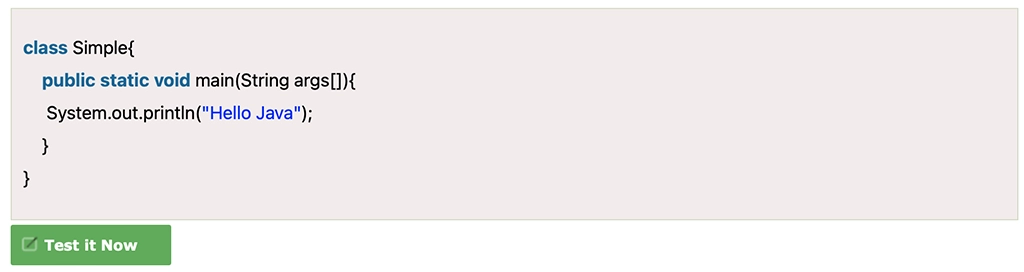
The fact that it is stable and has been widely adopted by major organizations is noteworthy.
Features: Object-oriented, robust API, vast open-source libraries.
Pros: Platform-independent, extensive community support, widely used in enterprise-scale applications, integral for Android app development.
Cons: Can be memory-intensive, complex for beginners, expensive memory management, difficulty in high-quality data structures.
Python
Python is one of the most common language programs on offer today by many businesses.
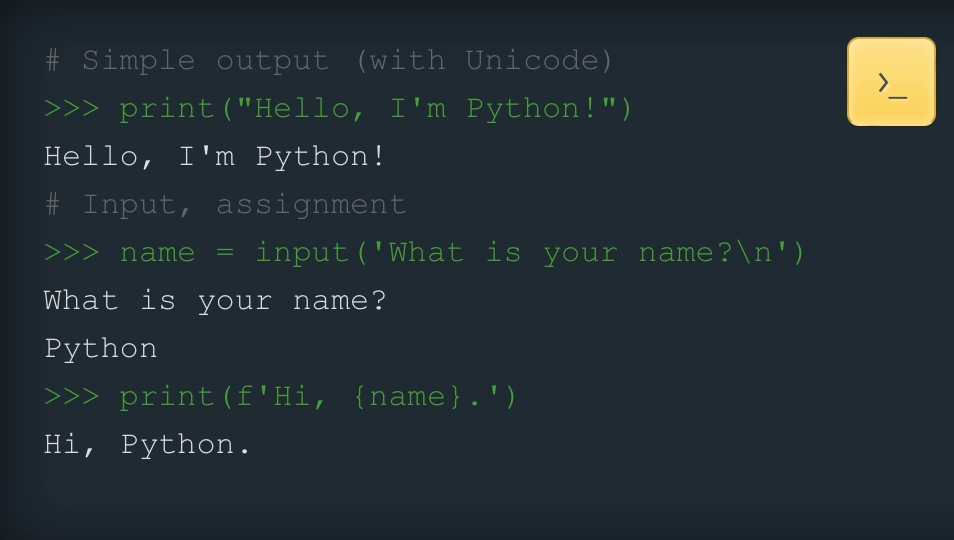
This is why it is widely used in so scalable.
The Python programming language has a strong support system for libraries and a developer community that can provide technical assistance.
Features: High-level, dynamic, extensive libraries.
Pros: Versatile, easy to learn, strong in data analytics and web development.
Cons: Slower execution speed, weak in mobile computing, not advanced in database access.
C#
C# is a property of Microsoft and is majorly for general-purpose programming.

Meanwhile, it is used for building apps for Windows phones, games, and many other Windows-based applications and is highly recommended for those looking to gain vast knowledge in the area of software engineering.
Features: Object-oriented, component-oriented, part of .NET.
Pros: Versatile (web, mobile, game development), integrates well with Windows, similar to C++, strong .NET library support.
Cons: Primarily Windows-focused, less cross-platform flexibility, allows pointers in unsafe blocks.
C
C is a favorite of many software engineering buffs.
You will likely find this program in files and operating systems.
C is foundational for most enterprises because this programming language for systems programming is renowned for its efficiency.
Features: General-purpose, efficient, foundational language.
Pros: Highly portable, forms the basis for many other languages used in systems programming.
Cons: Complex for beginners, lacks object orientation.
C++
C++ is the ideal language program system programmers.
It is pretty fast and stable and provides users with a ready-to-use library called Standard Template Library. STL contains algorithms, structures, and arithmetic operations.
Features: Extension of C, supports object-oriented programming.
Pros: Powerful for system/software development, high performance, popular with several libraries and compilers, easy syntax.
Cons: Complex syntax, less memory-safe, not ideal for beginners, basic object orientation.
JavaScript
JavaScript is a widely used enterprise language program used to design front-end apps that are interactive.
In fact, many startups have turned to the use of JavaScript because it is very efficient for running client-side and server-side scripts.

You can use it to produce webpage content before transferring the page to a user’s web browser.
It’s crucial for interactive web applications, both client-side and server-side (Node.js).
Features: Dynamic, high-level, used in front-end and back-end development.
Pros: Essential for web development, vast ecosystem (Node.js, React), easy to learn, works well with other languages.
Cons: Inconsistent browser support, security issues, disallows multiple inheritances, different interpretations by browsers.
Ruby
Ruby is a dynamic and open-source.
Basically, Ruby strikes a balance between simplicity and sophistication.
Enterprises use this programming language because it has an elegant syntax that is natural and easy to read.

Features: High-level, interpreted, object-oriented.
Pros: Elegant syntax, great for web development (Ruby on Rails).
Cons: Slower performance, declining popularity.
Swift
The software development of iOS apps uses a slightly different language program, unlike Android.
Swift is used to developing iOS applications, and as you already know, iOS is becoming more popular by the day as a significant portion of iPhones.
The massive adoption of iOS apps has led to many business enterprises adopting Swift as a standard language program.
Features: Open source, optimized for performance and safety.
Pros: Main language for iOS development, expressive syntax, prevents memory leaks.
Cons: Limited to Apple ecosystem, evolving rapidly, unstable due to constant Apple updates.
Go
Also known as Golang, Go Programming was built by Google to provide users with adequate support for multi-reading.
Compared to some of the language programs on our list, Go is not as widely used, but its popularity is gradually gaining traction.
If you want to go into software engineering with a prime focus on core systems, you should go for “GO.” 😉
Features: Compiled, statically typed, designed for concurrency.
Pros: Efficient for cloud and network services, growing in backend development, fast and easy to learn, good for concurrent programming.
Cons: Limited third-party libraries, less versatile, poor library support, fractured dependency management.
SQL
SQL is a short form for Structured Query Language
It’s the best programming application specialized for managing and manipulating relational databases.
Features: Excellent data management.
Pros: Widely used for database management, universally needed.
Cons: Limited to database operations, not a general-purpose language.
HTML
HTML remains the standard markup language for businesses that specialize in the creation of web pages.
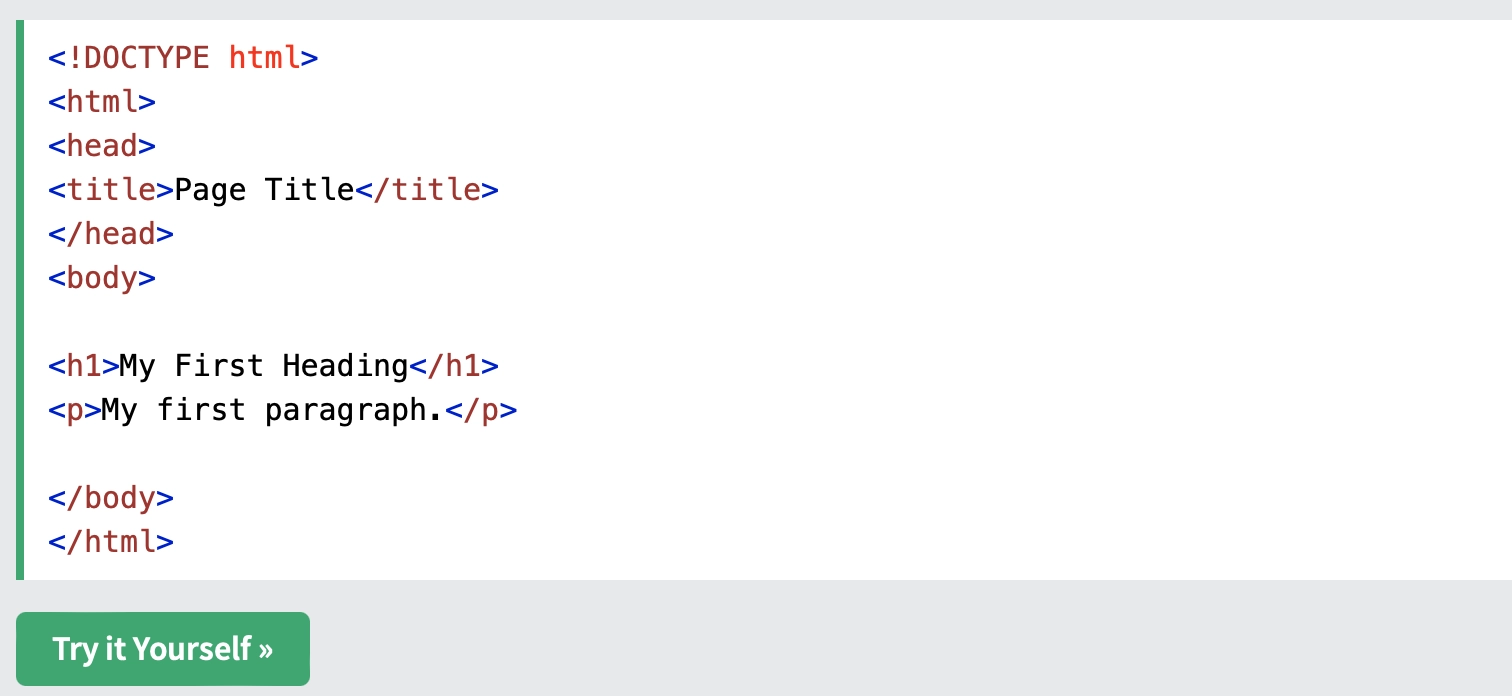
It guarantees proper formatting of images and texts and allows the use of tags so that browsers can showcase them in their proper format.
Features: Standard markup language for creating web pages.
Pros: Core technology of the web, universally used, polished interactive workspace, expansive toolbox.
Cons: Not a programming language, limited to web page structure, lacks advanced features.
CSS
CSS is short for Cascading Style Sheets.
It is a cornerstone technology of the World Wide Web, alongside HTML and JavaScript.
You can use CSS for the layout and styling of amazing web pages.
Features: Style sheet language for designing web pages.
Pros: Essential for web design, powerful styling options, cost-effective.
Cons: Not a programming language, can be complex for layout designs.
Conclusion
These enterprise programming languages will be the key players in the enterprise domain for 2024.
If enterprises are looking to stay ahead should consider these programming languages to work on and create fantastic output that their customers will like.
 Loading ...
Tridens is a SaaS company specializing in enterprise billing software development.
Our team leverages a diverse array of programming languages to engineer cutting-edge billing solutions (Tridens Monetization and Tridens EV Charge).
We use:
- Java (for the backend system and for automated tests)
- SQL (for working with data in the database)
- JavaScript + HTML + CSS (for web development)
Luckily we have amazing software developers who handle the code with ease.