

We decided to share with you lessons learned, which we gain by migrating from Oracle BRM 7.5 to Oracle BRM 12 cloud-native charging and revenue management for digital and communications business for one of our telecom company. First of all, why we did upgrade the Oracle BRM billing system? There are mainly two reasons why we decided to perform this. The first reason is to modernize current overall architecture, and the second reason is to stay compliant with Oracle licenses in the years to come.

Current high-availability (HA) architecture has the following components:
- Diameter and MBI AAA gateway.
- Oracle Communications Billing and Revenue Management System – Oracle BRM 7.5.
- Client applications (Customer Center, Pricing Center, Developer Center, Permissioning Center, etc).
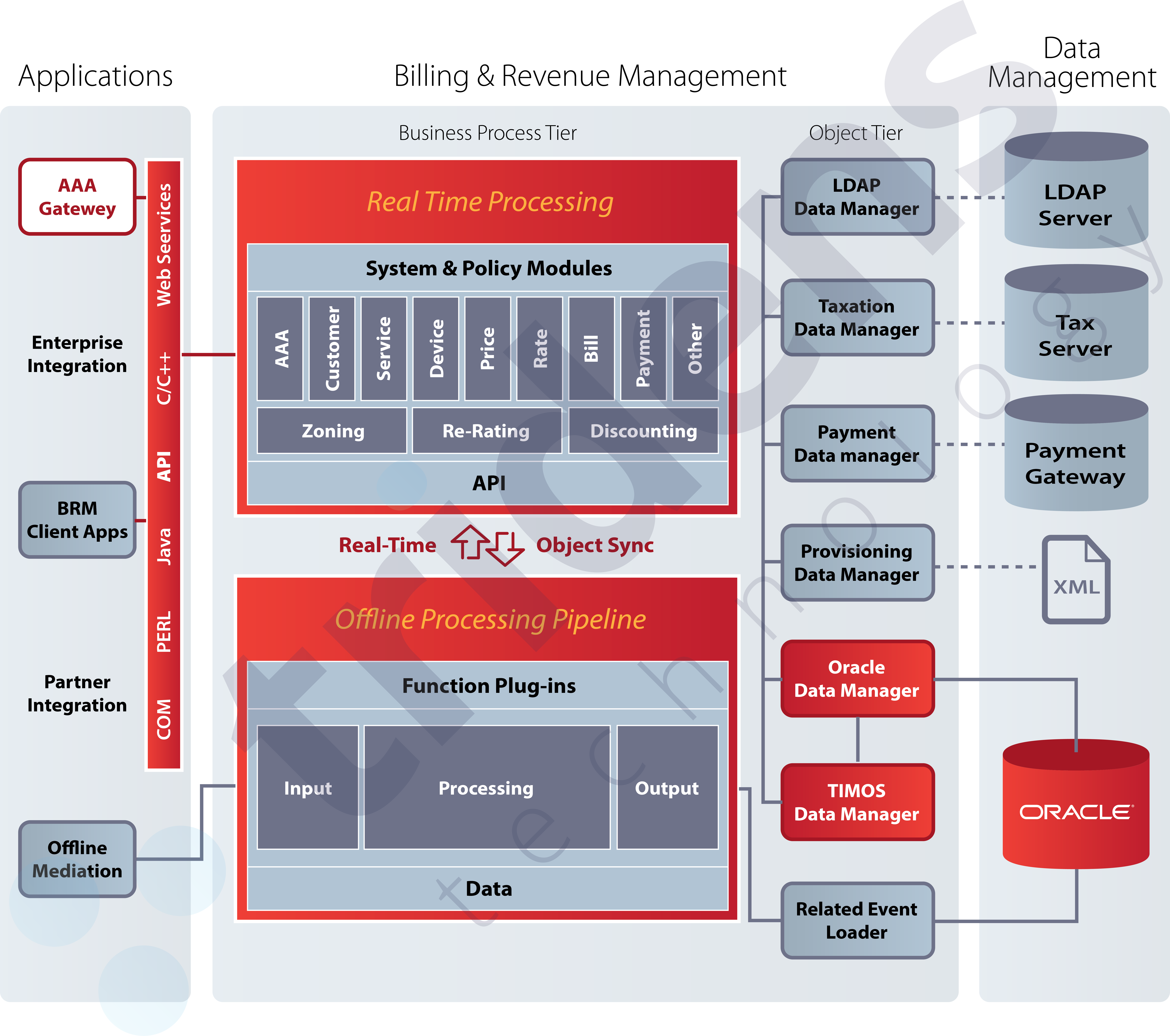
Table of contents
New modern Oracle BRM architecture
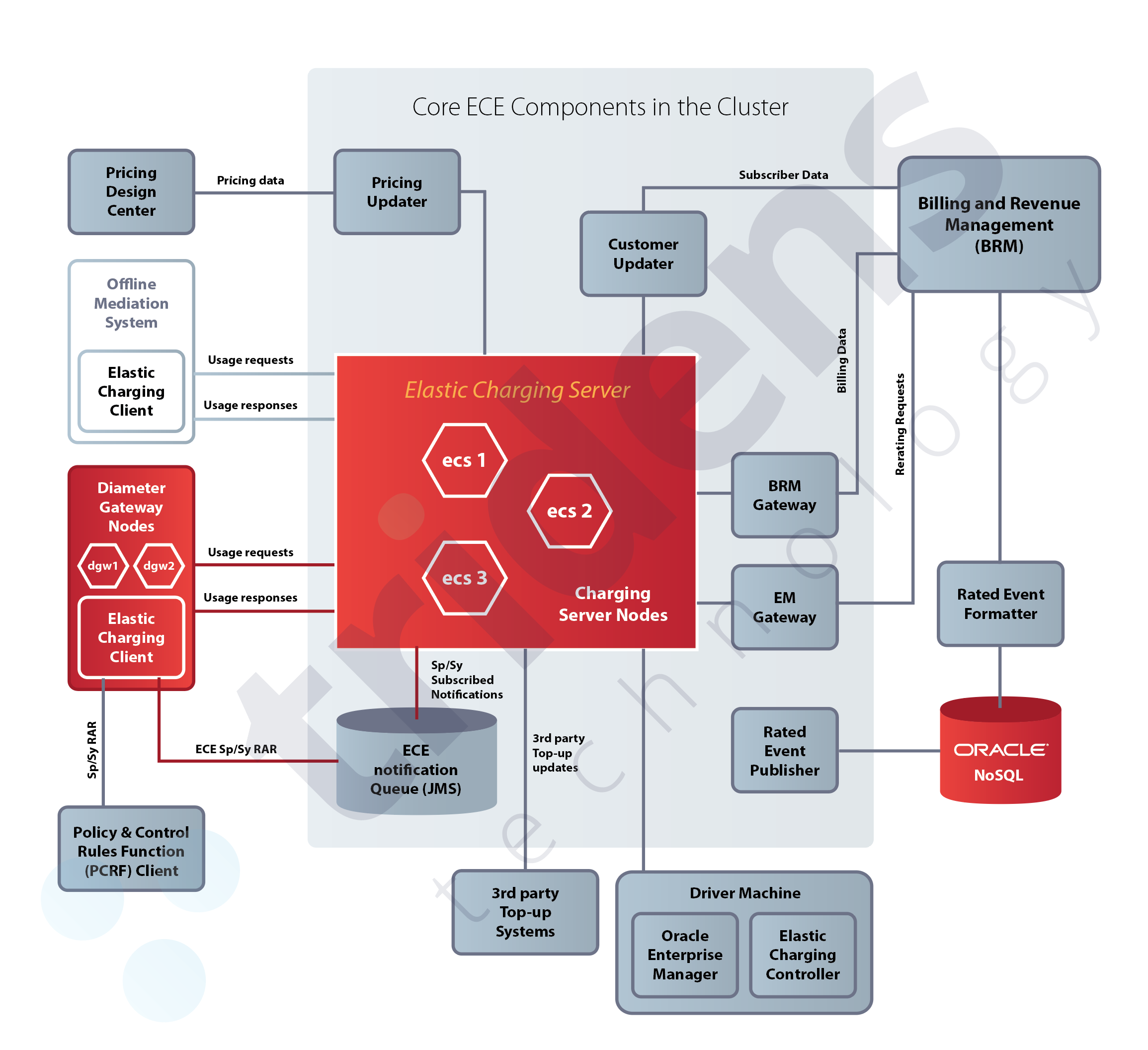
Components of the latest, modernized Oracle BRM 12 architecture are as follows:
- Elastic Charging Engine (ECE) 11.3.
- NoSQL 12.
- Oracle BRM 12.
- Database 12c.
- Weblogic 12c.
- Pricing Design Center (Oracle PDC) 12.
- Oracle BRM Billing Care 12.
- Business Operations Center
Key benefits of the new Oracle BRM 12 architecture
With adding new components such as Oracle Weblogic, ECE, and PDC we gain in several areas.
Oracle ECE contributes to the overall scalability part. With 5G being here, there is an ever-growing increase of requests from various IoT devices. For that reason, we need a fast, reliable, and low latency rating engine, which can scale.
Another critical area is delivering notifications, which occur inside the billing system to external systems. The existing Oracle BRM notification framework is relying on Oracle AQ. However, the notification system provided by Oracle ECE is using JMS queues. With the help of Weblogic JMS, we can now bridge the existing Oracle AQ queue and leverage only JMS messaging.
Oracle BRM 12 PDC is now a web-based application, which can be accessed from anywhere, and it does not need to be installed locally. The same stands for Billing Care and Business operations center.
Oracle BRM 12 key components
- Oracle BRM 12 – is a complete solution to capture, generate, collect, and analyze revenue. The system is highly customizable and can fit pretty much any industry.
- Elastic Charging Engine – is the primary rating engine for online and offline charging for the BRM system. ECE is highly scalable because it leverages Oracle Coherence, an in-memory data grid solution. It can process up to a couple of thousands of transactions per second. It also has built-in diameter gateway component which can process request from the network
- Oracle BRM 12 Business operations center – is a web-based application for managing your billing, payments, invoicing, general ledger reports, and tracking business trends..
- Weblogic – is an application server for building and deploying Java EE applications such as Pricing Design Center and Billing Care.
- Pricing Design Center – is a web-based application for managing your pricing catalog. With PDC, we can set up pricing for all the services and products that an organization is offering. PDC has it is own database schema, which is synchronized with ECE and Oracle BRM.
- Oracle BRM 12 Billing Care – is a web-based application for managing your customer base. It gives us the ability to create new customers as well as assign new services. Billing Care has its SDK with the help of which we can customize to fit the requirements of a business.
Conclusion
In this article, we gave a brief overview of how we performed the modernization of Oracle BRM 7.5 and what components are being used. Moreover, in future articles, we will go into more details for each of the components and describe how to set it up and describe the main features of Oracle BRM 12.