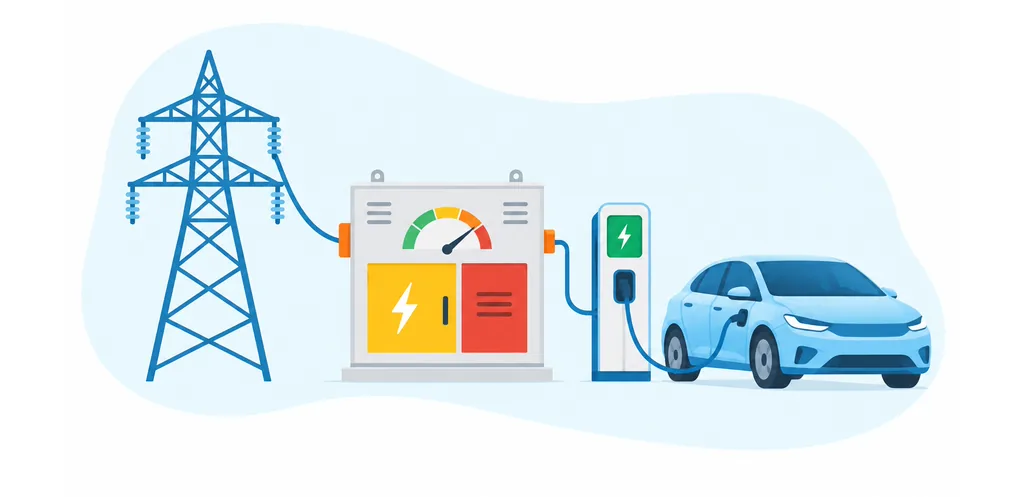


EV adoption changes how utilities plan capacity, serve customers, and recover the cost of new infrastructure. The hard part is not installing chargers. The hard part is running EV charging as a reliable, billable, customer-facing service.
EV charging for utilities is moving from pilot projects to operational programs. Energy providers are being asked to support public charging, fleet charging, workplace charging, multifamily charging, and utility-owned networks while still protecting the grid.
That creates a new kind of utility challenge. The grid team needs load visibility. The customer team needs clear pricing and support. The finance team needs accurate billing. The operations team needs chargers that work across locations, hardware vendors, and roaming networks.
This guide explains what utilities need to plan before scaling EV charging infrastructure, where smart charging fits, and why billing must be part of the platform from the start.
What is EV charging for utilities?
EV charging for utilities is the planning, management, pricing, billing, and operation of EV charging services by an electric utility or energy provider. It can include utility-owned charging stations, partner-operated infrastructure, managed charging programs, fleet charging support, demand response, and customer charging plans.
For a utility, EV charging is not only a mobility service. It is a load-management problem, a tariff-design problem, a customer-service problem, and a revenue-management problem at the same time.
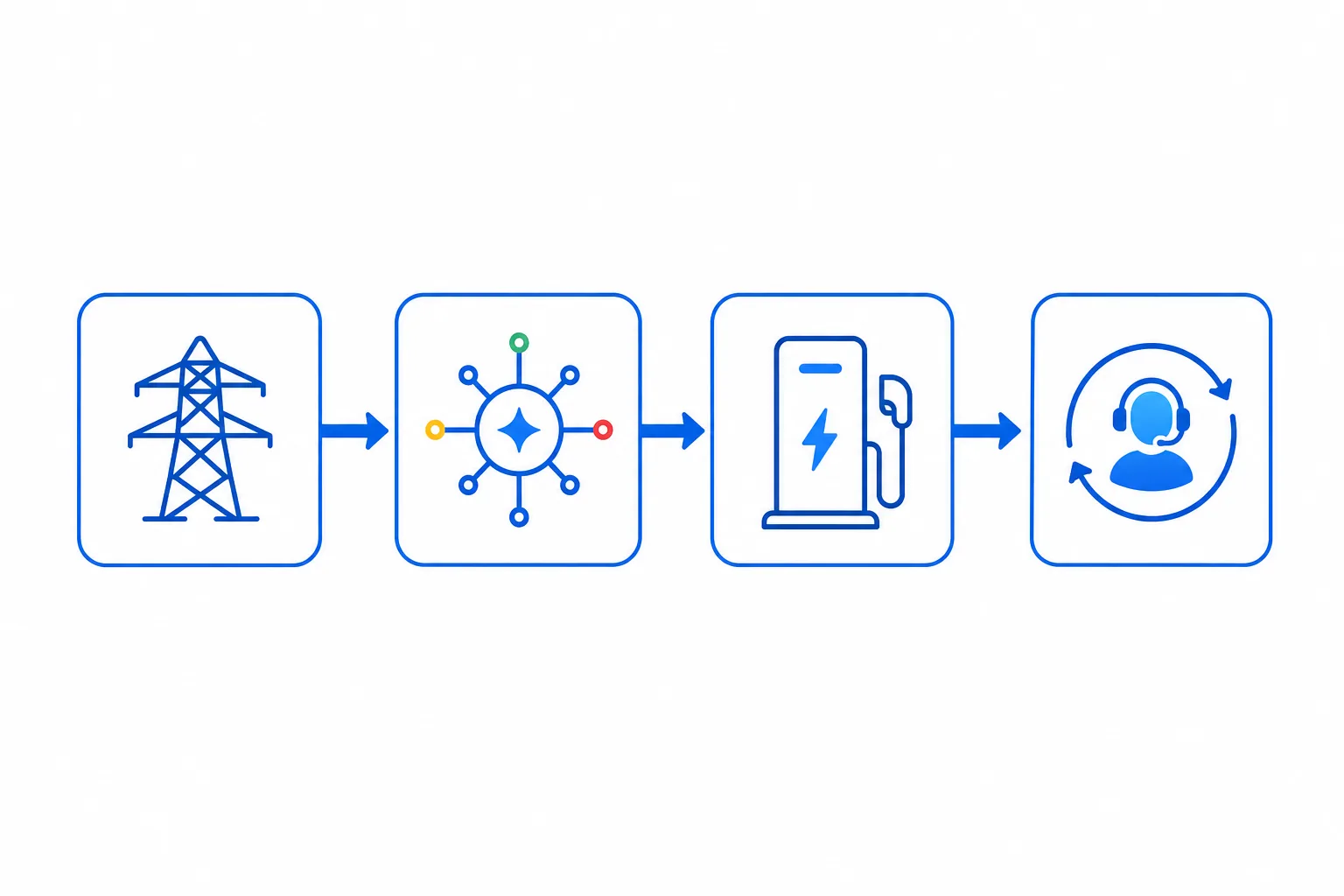
That is why the software layer matters. A utility EV charging program needs to connect chargers, meters, customer accounts, tariffs, payments, roaming sessions, and operational events in one controlled workflow. If those systems stay separate, the program becomes harder to scale and harder to explain to customers.
Why utilities are preparing for EV charging infrastructure
EV charging changes electricity demand in ways that are uneven and location-specific. A few fast chargers can create a very different local load profile than hundreds of slow residential chargers. Fleet depots can add concentrated demand at predictable times. Public charging can create spikes that depend on traffic, weather, pricing, and user behavior.
Load is becoming more dynamic
Utilities already plan around peak demand. EV charging adds another variable. Charging sessions can shift by hour, location, driver type, tariff, and charger speed. Without real-time visibility, the utility sees the impact late, when congestion, transformer stress, or customer complaints have already appeared.
스마트 충전 helps utilities manage that demand by adjusting charging behavior based on grid limits, price signals, user needs, and infrastructure capacity.
Charging is now part of the customer relationship
Utilities are used to long-term customer relationships. EV charging can make that relationship more active. Customers may expect charging plans, app-based visibility, payments, usage history, outage updates, support, and transparent explanations of every charge.
This is where EV charging becomes a service, not only infrastructure. If a driver, fleet manager, or site host cannot understand the price, session status, or invoice, the customer experience fails even if the charger delivered energy.
Utility programs need flexible commercial models
EV charging business models can change quickly. A utility may start with public charging, then add fleet contracts, home charging offers, roaming agreements, site-host revenue sharing, subscription plans, or time-of-use pricing. Each model adds billing and settlement requirements.
A charging platform must support that change without forcing every new offer into a custom project. This is especially important for utilities that need regulated controls, auditability, and clear revenue reporting.

What utilities need in an EV charging software platform
The right platform depends on the utility’s role. Some utilities own and operate chargers. Some support third-party CPOs. Some focus on grid programs, managed charging, or customer tariffs. Most need a mix of these over time.
A practical EV charging platform should cover the operational layer, the commercial layer, and the integration layer.
| 역량 | Why it matters for utilities |
|---|---|
| 충전기 모니터링 | Shows charger status, faults, uptime, and session activity across sites. |
| OCPP support | Helps utilities avoid hardware lock-in and connect OCPP-compliant chargers. |
| 동적 부하 분산 | Protects local capacity while keeping charging available for drivers and fleets. |
| Tariff management | Supports time-of-use, location-based, subscription, fleet, and hybrid pricing models. |
| 청구 및 결제 | Turns charging sessions into accurate invoices, payments, revenue recognition, and settlement. |
| Roaming support | Enables broader driver access and partner settlement through roaming integrations. |
| APIs and integrations | Connects charging with utility CIS, CRM, billing, grid, payment, and reporting systems. |
Protocol support protects long-term flexibility
Utilities should avoid charger programs that depend on one hardware vendor or one closed operating model. Open protocol support is important because infrastructure decisions last longer than software trends.
OCPP support helps utilities manage chargers across hardware vendors. OCPI support helps with eRoaming and partner connectivity. Together, they make it easier to expand a network without rebuilding the operating model each time a new charger, site, or partner is added.
Operational data must connect to billing data
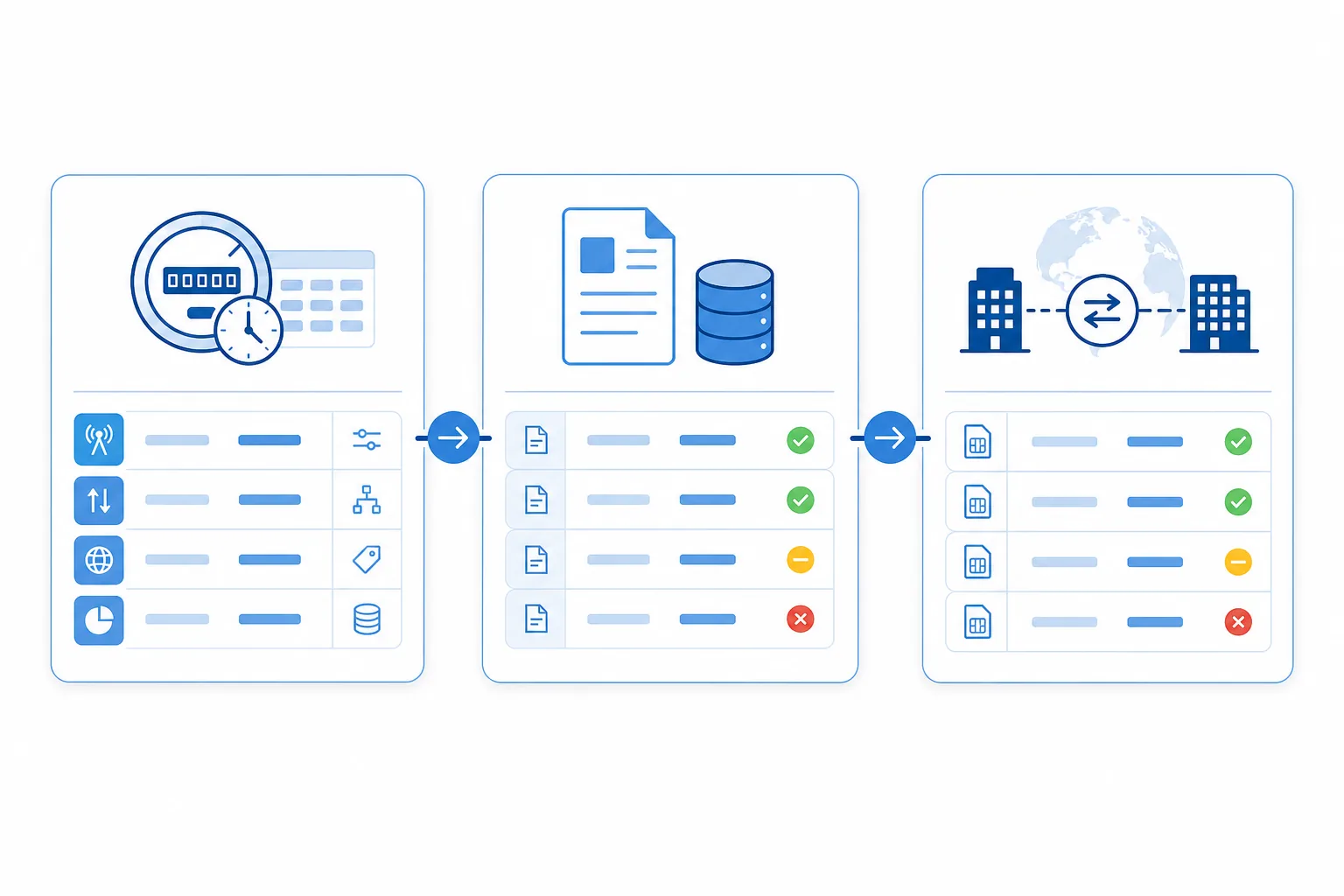
Charging platforms often focus on sessions, chargers, and maps. Utilities also need the financial trail behind every session. Who charged? Which tariff applied? Was the session discounted? Was tax calculated correctly? Was a roaming partner involved? Which account should receive the charge?
When operational and billing data are disconnected, every exception becomes manual work. That creates revenue leakage, delayed settlement, and support tickets that are hard to resolve.
Smart charging and load balancing are utility priorities
Smart charging lets utilities influence when and how EVs charge. The goal is not to make charging inconvenient. The goal is to balance customer needs with grid limits.
For public charging, smart charging can help avoid local overload when multiple chargers are active. For fleet charging, it can help vehicles reach the required state of charge before departure without creating unnecessary peaks. For residential programs, it can support off-peak charging behavior and future demand response models.
Dynamic load balancing helps avoid overbuilding
EV 충전 부하 분산 helps distribute available power across active chargers. That can reduce stress on local infrastructure and make better use of existing capacity.
For utilities, this matters because grid upgrades are not instant. Load balancing can give teams more control while long-term network planning continues.

Billing is where utility EV charging becomes scalable
The billing layer is often treated as a back-office detail. For utility EV charging, it is one of the core design decisions.
A utility may need to bill individual drivers, business accounts, fleet operators, roaming partners, site hosts, or internal departments. It may need to support time-of-use rates, demand-related charges, promotional credits, subscriptions, prepaid wallets, postpaid invoices, or contract-specific pricing.
전기차 충전 요금 청구 소프트웨어 should be able to rate each session correctly, show why the price was calculated, process payment, and support downstream settlement. If billing is bolted on after charger operations, every new pricing model becomes harder to launch.
Tariffs must be easy to change
Utilities often need tariff flexibility. Pricing can vary by time, location, charger type, customer group, contract, energy source, roaming status, or grid condition. A rigid pricing system slows the program down and makes every change dependent on technical work.
The better model is configurable. Business teams should be able to launch and adjust offers without waiting for long vendor change requests. Technical teams should still have APIs, controls, and audit trails.
시작할 준비가 되셨나요?
See how Tridens EV Charge connects charger operations, smart charging, tariffs, billing, payments, and roaming settlement.

Tridens EV Charge가 적합한 경우
Tridens EV Charge is built for organizations that need EV charging operations and monetization to work together. For utilities, that means charger management, smart charging, customer accounts, tariffs, payments, and settlement can sit inside one connected platform instead of being split across separate tools.
The differentiator is billing DNA. Tridens EV Charge is built on billing architecture, so monetization is native to the platform. That matters when a utility moves from a small pilot to multi-site programs, fleet contracts, roaming agreements, and customer-specific tariffs.
Tridens EV Charge is hardware-agnostic, supports OCPP-compliant chargers, supports eRoaming through OCPI/OICP, and includes AI-assisted operations such as a 24/7 assistant and dynamic load balancing. This helps utilities connect grid-aware charging operations with the commercial systems needed to make the service sustainable.
A practical roadmap for utility EV charging programs
Utilities do not need to solve every EV charging use case on day one. They do need an architecture that will not block them later.
- Define the operating role. Decide whether the utility will own chargers, manage partners, support tariffs, run demand programs, serve fleets, or combine several roles.
- Map the customer groups. Separate residential drivers, public charging users, fleet operators, site hosts, roaming drivers, and business accounts.
- Plan grid controls early. Identify where smart charging, load balancing, and capacity rules need to apply.
- Design tariffs before scaling sites. Model pricing, discounts, taxes, subscriptions, payments, and settlement before volume grows.
- Protect interoperability. Prioritize OCPP, roaming support, and APIs so the utility can add vendors and partners over time.
- Connect support and billing. Make sure customer service teams can explain session prices, failed payments, charger faults, and invoices from the same data trail.
This approach keeps the program practical. It lets the utility start with a focused use case while building toward a broader charging service.
FAQ about EV charging for utilities
What does EV charging mean for utilities?
EV charging adds new electricity demand, new customer expectations, and new billing models. Utilities need to manage grid impact, charger operations, tariffs, payments, and customer support together.
How are utilities preparing for EV charging infrastructure?
Utilities are planning local capacity, testing smart charging programs, supporting public and fleet charging, evaluating software platforms, and designing tariffs that can manage demand and recover costs.
Who pays for electricity at EV charging stations?
It depends on the model. The driver, fleet operator, site host, roaming partner, or utility program can pay. The platform must connect the charging session to the right account, tariff, and payment flow.
Why is billing important in utility EV charging?
Billing turns charging activity into a clear financial record. It supports tariffs, payments, invoices, credits, roaming settlement, revenue reporting, and customer explanations when charges are disputed.
What software do utilities need for EV charging?
Utilities need software that can manage chargers, monitor sessions, support OCPP, enable smart charging, configure tariffs, process payments, handle roaming, and integrate with existing utility systems.
